Who is the target audience for the flyer?
The target audience for a flyer is the specific group of people most likely to respond to the offer, service, event, or message being promoted. A flyer works best when it is not treated as a generic handout for everyone, but as a focused marketing piece designed for a clearly defined audience. The more precise the audience definition, the easier it becomes to shape the message, choose the right offer, and distribute the flyer in places where it has a better chance of generating interest and action.
A good flyer campaign usually starts by defining who the message is for before the design is even created. This can include factors such as location, interests, household type, buying intent, age group, income level, or business need. For example, a home cleaning service may target busy homeowners or renters in specific neighborhoods, while a tutoring service may focus on families with school-age children. Choosing the audience first helps prevent wasted design effort and makes the flyer more relevant from the start.
Matching the offer to the audience is just as important as identifying the audience itself. Different groups respond to different types of messaging, benefits, and promotions. A family-oriented audience may respond to convenience, trust, and value, while business owners may respond more to efficiency, return on investment, and reliability. If the offer does not match what the audience actually cares about, the flyer may be seen but ignored. This is why effective flyer campaigns usually connect the message closely to the audience's immediate needs or motivations.
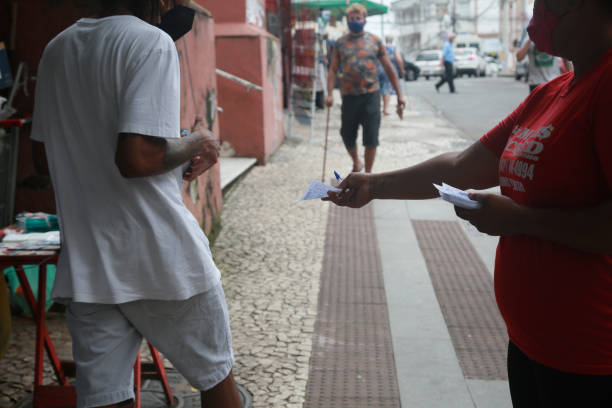
Distribution also plays a major role in reaching the right target audience. Once the audience is defined, the flyer should be placed in neighborhoods, routes, businesses, events, apartment communities, or public handout areas where that audience is most likely to be found. A strong flyer can still underperform if it is distributed in the wrong places. In many cases, audience fit matters more than total volume. Delivering a relevant flyer to the right people usually produces better results than distributing a generic message widely without targeting.
In practical terms, the target audience for a flyer is the group most likely to care about the message and take the next step. That audience should be identified before design, reflected in the offer, and considered in the distribution plan. The strongest flyer campaigns are built around relevance. When the audience, message, and distribution area all align, the flyer becomes a more effective and measurable marketing tool.
| Audience Factor | What It Helps Define | Example | Why It Matters |
|---|---|---|---|
| Location | Where the flyer should be distributed | Specific neighborhoods, routes, or service areas | Improves local relevance |
| Interests | What type of message may attract attention | Fitness, dining, family activities, home improvement | Helps shape the offer |
| Household type | Who lives in the area and what they may need | Families, singles, renters, homeowners | Supports better targeting |
| Buying intent | How ready the audience may be to act | People actively seeking a service or offer | Improves response potential |
| Business need | What problems or opportunities the flyer addresses | Restaurants, local retailers, property managers, event planners | Makes the message more useful and specific |
- Choose the audience before design: know who the flyer is meant for before creating the message
- Match the offer to the audience: use benefits and language that fit what the group cares about
- Distribute in the right areas: place the flyer where that audience is most likely to be found
- Focus on relevance: targeted flyers usually perform better than generic mass distribution
- Think beyond age or income: audience fit can also depend on need, lifestyle, and buying intent