The Psychology Behind Flyer Marketing: What Makes People Take Action?
Home /
Blog / The Psychology Behind Flyer Marketing: What Makes People Take Action?
Flyer marketing remains one of the most effective ways to capture attention and inspire action, but what exactly makes people respond? The answer lies in psychology. Understanding how human behavior and decision-making work can help marketers design flyers that not only stand out but also compel recipients to take action. In this article, we’ll explore the psychology behind flyer marketing and share actionable tips to make your flyers more impactful.
1. The Power of First Impressions
People form opinions within seconds of seeing something. In flyer marketing, this means you have a very short window to grab attention. To make a strong first impression:
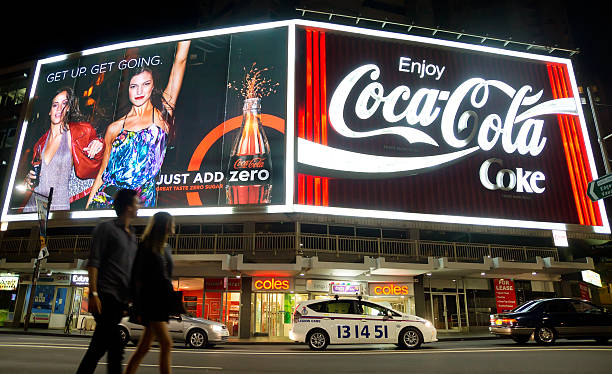
- Use Eye-Catching Visuals: Bold images, vibrant colors, and creative designs immediately capture attention.
- Craft a Clear Headline: A headline that conveys value or sparks curiosity encourages readers to continue engaging with the flyer.
- Maintain Simplicity: A cluttered flyer overwhelms the viewer, so keep the design clean and focused.
The psychology of first impressions emphasizes that a visually appealing and clear flyer sets the stage for the rest of your message.
2. The Role of Emotion in Decision-Making
Emotions play a significant role in influencing decisions. A flyer that evokes the right emotions is more likely to inspire action. Consider the following:
- Use Emotional Triggers: Words like “free, ” “limited time, ” or “exclusive” can create excitement and urgency.
- Show Benefits, Not Features: Focus on how your product or service will make the recipient feel, such as “Save Time and Stress” instead of “24/7 Customer Support.”
- Include Relatable Imagery: Pictures of happy families, successful professionals, or smiling faces resonate emotionally with viewers.
Flyers that tap into emotions like happiness, excitement, or even fear of missing out (FOMO) are more likely to drive engagement.
3. The Scarcity Principle
Scarcity is a psychological phenomenon that makes people perceive limited items or opportunities as more valuable. In flyer marketing, scarcity can be used to create urgency. Examples include:
- Time-Limited Offers: “Offer Ends Sunday” or “Sign Up Before Midnight.”
- Exclusive Deals: “Available to the First 100 Customers.”
- Limited Availability: “Only 3 Spots Left!”
By incorporating scarcity into your flyer, you encourage recipients to act quickly instead of postponing their decision.
4. The Psychology of Social Proof
People tend to follow the actions of others, especially when they are unsure about a decision. Social proof is a powerful psychological tool that builds trust and credibility. Include the following elements in your flyer:
- Customer Testimonials: Highlight positive experiences from satisfied customers.
- Statistics: “Over 10, 000 Happy Customers” or “Rated 5 Stars on [Platform].”
- Partnership Logos: Display logos of trusted brands or organizations you’ve worked with.
Social proof reassures recipients that your offer is reliable and worth their time.
5. The Impact of Colors and Fonts
Colors and typography have a significant psychological impact. They can influence mood, perception, and even decision-making. When designing your flyer:
- Choose Colors That Align with Your Message: Red creates urgency, blue conveys trust, and green symbolizes growth or eco-friendliness.
- Use Readable Fonts: Stick to clean, professional fonts that enhance readability and avoid overly decorative or hard-to-read styles.
- Maintain Brand Consistency: Use colors and fonts that align with your brand identity for a cohesive look.
Effective use of colors and fonts ensures your flyer creates the desired emotional response and maintains readability.
6. The Importance of a Call-to-Action (CTA)
A strong call-to-action is essential for turning interest into action. The psychology behind CTAs involves clarity, urgency, and incentive. Consider these tips:
- Be Specific: Instead of “Learn More, ” say “Visit Our Website for a Free Consultation.”
- Create a Sense of Urgency: Use phrases like “Act Now” or “Don’t Miss Out.”
- Offer an Incentive: “Call Today and Get 10% Off Your First Purchase.”
Placing your CTA in a prominent location ensures recipients know exactly what to do next.
7. The Role of Repetition
Repetition is a key psychological principle in marketing. When people see your flyer multiple times, they are more likely to remember your message and take action. To leverage repetition effectively:
- Distribute Flyers Widely: Ensure they are seen in multiple locations, such as mailboxes, community boards, and high-traffic areas.
- Maintain Consistent Branding: Use the same colors, fonts, and messaging across all marketing materials for better recall.
- Follow Up: Combine your flyer campaign with digital channels like email or social media to reinforce your message.
Repetition helps your flyer stay top-of-mind, increasing the chances of engagement.
Conclusion
The success of flyer marketing lies in its ability to tap into psychological principles that drive human behavior. By understanding and applying concepts like first impressions, emotional triggers, scarcity, social proof, and effective design, you can create flyers that demand attention and inspire action. For professional flyer marketing solutions, visit FoxFlyer today.
Frequently Asked Questions
Browse answers to common questions about our services.
Yes, contact information can usually be updated within the worker profile or account settings area, depending on platform setup.
Categories & Tags
Not all campaigns require the same proof process. Workers should always review the assignment details to understand whether photos or other proof are required.
Categories & Tags
If you cannot check out immediately, you should follow the task instructions and report the issue so your completed work can still be properly reviewed.
Categories & Tags
Door-to-door flyer distribution is a marketing method where promotional materials are delivered directly to homes in selected neighborhoods to increase local reach and awareness.
Categories & Tags
Apartment complex flyer campaigns can sometimes cost more or less depending on building access, concentration of units, and delivery rules. In many cases, dense apartment distribution can be cost-efficient, but restricted-access properties may require additional coordination.
Categories & Tags
If you checked into the wrong assignment, the mistake should be flagged quickly so the correct job can be tracked and the error can be resolved.
Categories & Tags
A good flyer should be clean, easy to scan, visually balanced, brand-consistent, and focused on one clear action.
Categories & Tags
Eco-friendly flyer marketing can include responsible print planning, efficient route coordination, and thoughtful campaign design to reduce waste while still achieving strong promotional results in local markets.
Categories & Tags
More FAQs