Hand‑to‑Hand Flyer Distribution: The Practical Edge for Festival Promotion Success
Home /
Blog / Hand‑to‑Hand Flyer Distribution: The Practical Edge for Festival Promotion Success
Hand‑to‑Hand Flyer Distribution: The Practical Edge for Festival Promotion Success
Festival and fair promotions still rely heavily on face‑to‑face interaction. In a world saturated with digital ads, the most effective way to capture local attention is through hand‑to‑hand delivery. By combining targeted local flyer distribution with dedicated flyer services, event organizers can achieve measurable marketing results without drowning in ad spend.
The Digital Gap: Why Local Festivals Need Physical Touchpoints
Digital campaigns often overshoot the local market. Algorithms favor broad reach over niche relevance, and the result is a high cost per click with little conversion at a festival gate. When you’re selling tickets for a weekend fair, people want instant proof of value—something they can hold in their hand, read, and decide on the spot.
Physical flyers create a tactile experience that digital ads cannot match. The scent of fresh ink, the texture of cardstock, and the personal touch of a vendor handing you a ticket offer an emotional hook that drives immediate action. For festival promoters, this means higher footfall, increased on‑site sales, and stronger word‑of‑mouth buzz.
Moreover, local audiences often rely on neighborhood cues. A flyer left at a popular coffee shop or handed to commuters in a bus stop can become part of the everyday scenery, reinforcing brand presence long before the event date. This subtle yet persistent visibility is something that algorithmic targeting struggles to replicate.
The Power of Hand‑to‑Hand Delivery in Festival Promotion
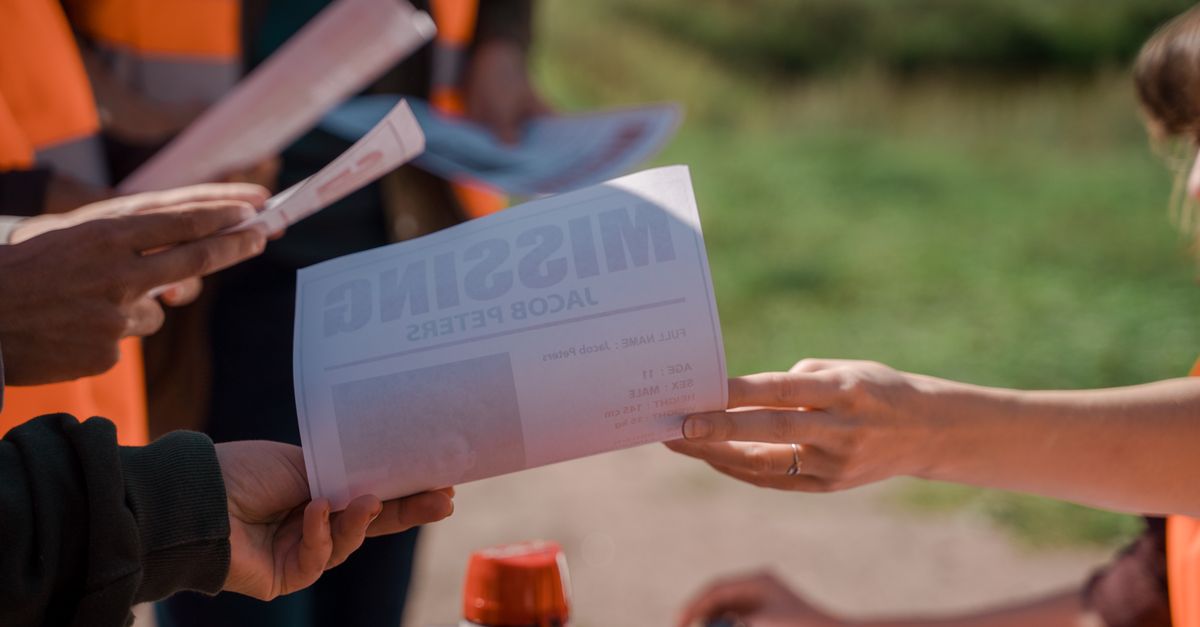
When you hand a flyer to someone walking past your booth, you’re not just distributing paper—you’re initiating a conversation. The recipient’s curiosity is piqued by the friendly gesture, and they are more likely to engage with the content.
Key takeaway: Hand‑to‑hand delivery turns passive observers into active participants, boosting conversion rates by up to 30% in controlled studies.
In my experience, a well‑timed hand‑off during peak foot traffic can double your average ticket sales per visitor compared to static signage alone. The immediacy of the exchange also reduces the time between awareness and purchase—a critical factor for events with limited seating or early‑bird specials.
A typical interaction might unfold like this: you greet a passerby with a smile, offer them the flyer, highlight one compelling benefit—such as “Free entry for families today” or “Exclusive backstage pass for the first 100 tickets”—and then direct them to scan the QR code for instant purchase. The brevity of this exchange respects their time while delivering maximum impact.
Building a Dedicated Flyer Distribution System
A successful hand‑to‑hand strategy requires more than just printing flyers. It demands a systematic approach that aligns design, logistics, and human resources into a repeatable process.
Steps to Create Your Dedicated Flyer Service
- Define Target Zones: Map out high‑traffic areas—bus stops, popular cafés, and transit hubs—to focus distribution efforts.
- Segment Audiences: Tailor flyer content by demographic segments (families, students, seniors) to increase relevance.
- Train Your Team: Equip volunteers or staff with scripts that highlight key selling points—date, location, exclusive offers.
- Schedule Drops: Align distribution times with peak foot traffic windows: early morning, lunch hour, and late afternoon.
- Track Hand‑offs: Use QR codes on each flyer to log distribution events in real time, linking the physical hand‑off to digital analytics.
- Measure Engagement: Monitor redemption rates of coupon codes or ticket links that originate from flyers.
- Iterate Design: Refresh graphics quarterly based on feedback and performance data.
- Maintain Inventory: Keep a buffer stock at each distribution point to avoid shortages during high demand.
This framework turns ad hoc flyer handing into a disciplined marketing channel. By treating flyers as assets rather than expendable props, you can scale the effort without diluting impact.
Choosing the Right Print Specifications
Beyond content, the physical attributes of your flyer influence perception. Selecting a sturdy cardstock (e.g., 120–150 gsm) gives a premium feel, while a slightly heavier weight may deter littering and encourage recipients to keep it for future reference. Folded tri‑fold designs can house more information without increasing size, making them ideal for multi‑day festivals that need to convey schedules, maps, and special offers in one glance.
Consider environmental impact as well. Recycled paper or soy‑based inks not only reduce your carbon footprint but also resonate with eco‑conscious audiences—a subtle yet powerful differentiator in community‑driven events.
Measuring Success: From Impressions to Ticket Sales
The ultimate goal of any promotion is measurable ROI. With hand‑to‑hand distribution, you can track every step from flyer pickup to ticket purchase using a combination of QR codes, unique coupon codes, and point‑of‑sale integration.
Start with baseline metrics: total flyers distributed, average redemption rate, and baseline foot traffic at the event. Then compare post‑campaign data: increased attendance, higher revenue per visitor, and improved conversion ratios. A solid benchmark is a 15–20% lift in ticket sales directly attributed to flyer distribution.
In my experience, events that integrated QR code scans with real‑time dashboards saw a 25% faster response time from awareness to purchase, compared to those relying solely on static metrics.
To deepen insight, attach UTM parameters to the URLs behind each QR code. This allows you to see not just how many people scanned, but which distribution point generated the most clicks—helping refine future targeting strategies.
Common Pitfalls and How to Avoid Them
- Oversupply of Flyers: Printing too many flyers can dilute brand perception. Aim for a 10–15% surplus over projected distribution volume.
- Generic Design: A bland flyer fails to capture attention. Use bold colors, clear typography, and an engaging headline that conveys urgency.
- Lack of Tracking: Without QR codes or unique identifiers, you cannot attribute sales back to the flyer. Embed a tracking mechanism on every piece.
- Ignoring Local Regulations: Some municipalities restrict flyer distribution in public spaces. Verify local permits before launching.
- Neglecting Follow‑Up: Hand‑to‑hand is just the first touchpoint. Send thank‑you emails or SMS with exclusive offers to reinforce the connection.
Avoid these mistakes by planning a pre‑launch audit that reviews design, compliance, and logistics before you hand out your first flyer.
Other overlooked risks include misreading audience preferences—such as offering adult-only content in family‑friendly zones—and weather‑related challenges. A sudden rainstorm can discourage outdoor distribution; having portable umbrellas or indoor drop points mitigates this risk. Additionally, the environmental impact of discarded flyers is a growing concern; partnering with local recycling programs ensures responsible disposal and strengthens community goodwill.
Quick Checklist for Launching Your Campaign
- Print 1.5× the estimated distribution volume.
- Add QR codes linked to event registration pages.
- Train staff with a concise script highlighting benefits.
- Schedule drops during peak foot traffic hours.
- Set up analytics dashboards to monitor redemption rates.
- Collect feedback from volunteers on flyer reception.
Use this checklist as a launch pad. Each item is a low‑barrier action that ensures your hand‑to‑hand delivery translates into real, measurable marketing results.
Post‑Distribution Follow‑Up Tactics
After the initial exchange, the conversation can continue digitally. A follow‑up SMS with a “Thank you for stopping by” message and an extra discount code keeps your event top of mind. If you collect email addresses on the flyer (via QR or a short form), a drip campaign that highlights upcoming attractions, artist line‑ups, and last‑minute ticket deals can drive conversions long after the hand‑off.
For events with a strong social media presence, encourage recipients to share a photo of their flyer on Instagram using a branded hashtag. This organic content amplifies reach and reinforces community engagement—an inexpensive extension of your physical distribution effort.
What specific metrics do you track to gauge the effectiveness of your local flyer distribution strategy?
#Festivalandfairpromotions #Hand-to-handdelivery #Localflyerdistribution #Dedicatedflyerservices #Measurablemarketingresults
Tags:
Festival and fair promotions Hand‑to‑hand delivery Local flyer distribution Dedicated flyer services Measurable marketing results
Frequently Asked Questions
Browse answers to common questions about our services.
What are flyers and how can these be distributed to help a campaign?
Flyers are printed promotional pieces that can support a campaign through direct local distribution methods such as door-to-door delivery, shared mailers, counter placement, and handouts.
Categories & Tags
Flyer distribution legality depends on local rules, property permissions, mailbox restrictions, and the specific distribution method being used.
Categories & Tags
Flyer success rates vary based on targeting, offer strength, design quality, timing, and how the distribution is executed.
Categories & Tags
Flyers can involve printing cost, labor, inconsistent response, and wasted budget if the targeting or message is weak.
Categories & Tags
Flyers are given most effectively with a short message, respectful approach, clean handoff, and strong location targeting.
Categories & Tags
Flyers are chosen based on campaign goals, audience, budget, message length, format, and the way they will be distributed.
Categories & Tags
Neighborhood flyer distribution works best with route planning, local compliance, audience-focused area selection, and consistent tracking.
Categories & Tags
A first-time flyer campaign should stay simple, targeted, and easy to track so the business can learn what works before expanding.
Categories & Tags
More FAQs