How Do Targeted Neighborhood Campaigns Compare to Direct-to-Home Marketing?
Home /
Blog / How Do Targeted Neighborhood Campaigns Compare to Direct-to-Home Marketing?
Targeted Neighborhood Campaigns vs Direct-to-Home Marketing
Choosing the right promotional strategy is a common dilemma for local businesses. While both targeted neighborhood campaigns and direct‑to‑home marketing aim to reach specific audiences, they differ in execution, cost, and measurable impact. In this article I break down each approach, compare key metrics, and show when a hybrid or enhanced campaign can give you the edge.
Understanding Targeted Neighborhood Campaigns
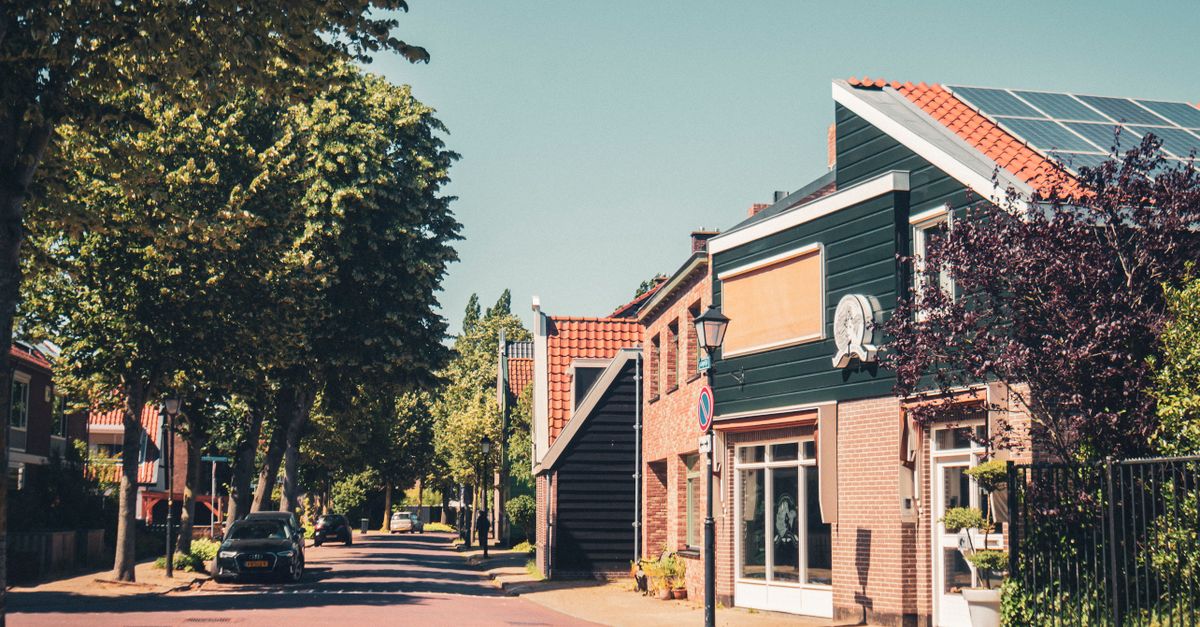
Targeted neighborhood campaigns focus on geographic clusters—blocks, streets, or zip codes—where your ideal customer lives. The goal is to build community awareness through localized messaging that feels personal and relevant. I’ve seen these tactics work for everything from small coffee shops to home improvement stores.
A local bakery in a residential enclave once switched from generic flyers to neighborhood‑specific door hangers. By tailoring each offer to nearby households’ preferences—like offering fresh croissants on Sundays for families—they saw a 35% rise in foot traffic within the first month.
What Makes Them Different?
The core advantage lies in precision. By leveraging demographic data, purchase history, and local events, you craft offers that resonate with residents who are already within walking distance of your storefront. Unlike broader digital ads, neighborhood campaigns can incorporate physical collateral—flyers, door hangers, or QR‑coded signs—to reinforce the message.
How to Pinpoint Your Target Area
- Use GIS mapping tools to overlay census data with store locations.
These tools help pinpoint income brackets and age demographics that match your product.
- Identify high‑traffic streets and community gathering spots.
Focus on intersections where footfall peaks during peak hours.
- Cross‑reference local event calendars for seasonal peaks.
Align promotions with festivals or school events to boost relevance.
- Gather customer address lists from loyalty programs or past receipts.
Use this data to validate the density of potential buyers.
Once the map is ready, segment the area by household income, age group, or lifestyle indicators that align with your product. This step ensures every flyer you hand out speaks directly to a consumer who has already shown interest in similar items.
Best Practices for Neighborhood Campaigns
- Schedule drop‑offs during peak community activity times.
- Include local landmarks or neighborhood names on the collateral to boost authenticity.
- Use a consistent color scheme that matches your storefront branding.
- Track response rates by assigning unique QR codes per block.
- Follow up with a localized email blast for those who scan the QR code.
The Mechanics of Direct-to-Home Marketing
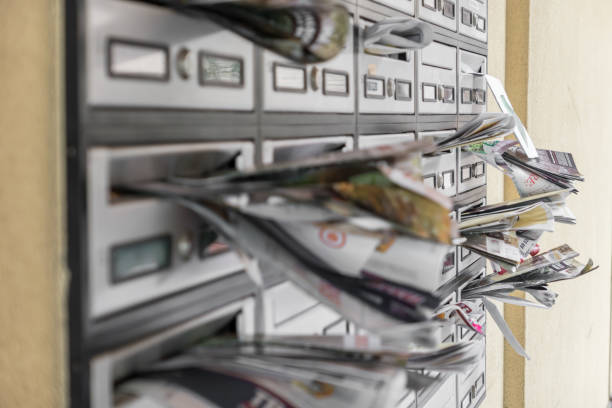
Direct‑to‑home marketing (DTHM) sends promotional material straight to consumers’ mailboxes. The medium can be postcards, brochures, or even digital mail packages delivered via services like Amazon Prime or local carriers. DTHM is ideal when you need a high volume of impressions across a wide area.
Digital mail packages allow businesses to embed interactive elements—such as short videos or dynamic coupons—directly into the mailing. When recipients click, they are taken to a mobile‑friendly landing page that can further personalize the experience based on their location data.
When to Use It
If your product has a broader appeal—such as seasonal apparel or a new streaming service—DTHM can generate mass awareness quickly. The key is pairing it with smart segmentation: using data on income, interests, or past purchases to ensure the mail reaches only those most likely to convert.
Choosing the Right Format
- Postcards: Low cost, high visibility—perfect for flash sales.
- Brochures: Detailed product information—ideal for complex services.
- Digital mail packages: Interactive content—great for tech‑savvy audiences.
Each format carries a different production cost and response potential, so align your choice with both budget constraints and campaign objectives.
Comparing Reach and Conversion Rates
Both tactics aim for high conversion, but their pathways differ. Neighborhood campaigns excel in engagement because recipients feel the message is tailored to them. DTHM, meanwhile, can achieve sheer volume, which sometimes translates into brand recognition before a purchase.
From a customer journey perspective, neighborhood campaigns nurture trust by appearing in everyday surroundings, while direct‑to‑home marketing primarily sparks awareness and curiosity that may require additional touchpoints for conversion.
Key Metrics to Evaluate
- Click‑through rate (CTR) for digital components
- Redemption or response rates of coupon codes
- Cost per acquisition (CPA)
- Return on ad spend (ROAS)
- Geographic conversion lift relative to baseline sales
- Time to first purchase after receipt
- Repeat‑purchase rate among responders
- Social media engagement triggered by the campaign
I’ve tracked these metrics for a local bakery that switched from generic flyers to neighborhood‑specific door hangers. The CTR on QR codes jumped 35%, and CPA dropped by 22% within two months.
Cost Considerations for Each Approach
Budget is often the deciding factor. Neighborhood campaigns typically require lower upfront costs but demand meticulous data collection. DTHM, while more expensive per unit, can reach a larger audience with a single mailing.
Typical Budget Breakdown
- Data acquisition and segmentation: 10–15%
- Creative design and copywriting: 20–25%
- Printing and production: 30–35%
- Distribution (mailing or local carriers): 20–25%
- Follow‑up analytics software: 5–10%
For a small business with a $5,000 marketing budget, I recommend allocating 60% to neighborhood campaigns if your target area is well defined, and the remaining 40% to DTHM for broader reach.
Integrating Comprehensive Flyer Services with Digital Tactics
Many businesses underestimate the power of a hybrid approach. Combining comprehensive flyer services—high‑quality print, targeted distribution lists, and eye‑catching design—with digital follow‑up can amplify results.
Best Practices for Hybrid Campaigns
- Create a single brand voice across all touchpoints
- Include QR codes that lead to personalized landing pages
- Use geofencing to trigger push notifications when recipients are near your store
- Track coupon redemption via unique promo codes per flyer batch
- Leverage social media hashtags tied to the campaign for user‑generated content
- Schedule post‑campaign surveys to capture qualitative feedback
- Adjust future print runs based on conversion data
In my experience, a local gym that paired neighborhood flyers with a mobile app challenge saw a 48% increase in new memberships within three weeks.
Step‑by‑Step Hybrid Workflow
- Define the neighborhood focus and collect address data.
- Design print collateral with embedded QR codes and unique promo codes.
- Print a limited batch to test response rates.
- Distribute via local carriers or hand‑out at community events.
- Activate digital touchpoints—social media ads, email follow‑up—to sustain momentum.
- Analyze data from QR scans, coupon redemptions, and foot traffic counters.
- Iterate the design or offer based on insights before scaling up.
This iterative loop ensures you’re not wasting spend on ineffective messaging and that every dollar is backed by measurable results.
When Promotional Campaign Enhancement Is Necessary
If your initial campaign fails to meet KPIs—low CTR, high CPA, or stagnant sales—you’re looking at a promotional campaign enhancement. This involves revisiting creative elements, refining targeting, and perhaps adding a digital layer.
Signs You're Not Maximizing ROI
- Redemption rates below 5%
- No measurable lift in foot traffic after the mailing period
- Negative ROAS compared to previous campaigns
- Customer feedback indicates confusion or lack of relevance
- High return or discard rate of printed materials
If any of these apply, consider a data‑driven revamp. I’ve guided a home décor retailer through an enhancement that reduced CPA by 18% and increased repeat purchases by 12%.
Enhancement Playbook
- Audit Existing Assets: Review copy tone, imagery, and call‑to‑action placement.
- Segment Further: Narrow down the audience within the original target to high‑intent households.
- A/B Test Variants: Create two flyer designs with slightly different offers.
- Add Digital Hooks: Insert a short URL or QR code that leads to a time‑limited discount page.
- Measure & Iterate: Use analytics dashboards to compare conversion lift between variants.
By treating the enhancement as an experiment rather than a one‑off fix, you build a repository of proven creative elements for future campaigns.
Targeted neighborhood campaigns deliver higher local engagement, while direct-to-home marketing excels in reach when paired with data-driven segmentation.
Which approach has worked best for your business so far, and what metrics do you track to measure success?
#Targetedcampaigns #Direct-to-homemarketing #Targetedneighborhoodcampaigns #Comprehensiveflyerservices #Promotionalcampaignenhancement
Tags:
Targeted campaigns Direct-to-home marketing Targeted neighborhood campaigns Comprehensive flyer services Promotional campaign enhancement
Frequently Asked Questions
Browse answers to common questions about our services.
Yes, coupon flyers are effective for restaurants, retail stores, salons, gyms, and service businesses because they combine local visibility with a clear incentive for response.
Categories & Tags
Coupon flyer distribution places promotional offers directly into the hands of local consumers and can help drive immediate action, store visits, redemptions, and trial purchases.
Categories & Tags
Is flyer marketing effective for restaurant coupons and specials?
Yes, restaurant flyer marketing is effective for coupon campaigns because it places promotional offers directly into nearby homes, apartments, and local foot-traffic areas.
Categories & Tags
Can retail stores use coupon flyers and seasonal campaigns?
Retail stores can use coupon and seasonal flyer campaigns to attract local shoppers, increase store traffic, promote clearance sales, and highlight new or featured products.
Categories & Tags
Yes, coupon distribution is one of the most popular uses for flyers. Printed offers delivered to homes or handed out in targeted areas can help increase store visits, trial purchases, and customer response.
Categories & Tags
Can restaurants use seasonal flyer campaigns and coupons?
Yes, restaurants can use seasonal flyer distribution to promote holiday specials, catering services, event menus, meal deals, coupons, and limited-time dining offers.
Categories & Tags
Can seasonal and coupon flyer campaigns help generate repeat customers?
Flyer campaigns can support repeat business by keeping your brand visible in the local market and giving past or potential customers new reasons to return through offers, reminders, and timely promotions.
Categories & Tags
We support school event promotions by distributing flyers to surrounding neighborhoods and family-oriented communities. This is useful for fundraisers, school events, enrollment campaigns, and educational programs.
Categories & Tags
More FAQs