How do custom flyer campaigns compare to broad reach campaigns for affordable marketing?
Home /
Blog / How do custom flyer campaigns compare to broad reach campaigns for affordable marketing?
How do custom flyer campaigns compare to broad reach campaigns for affordable marketing?
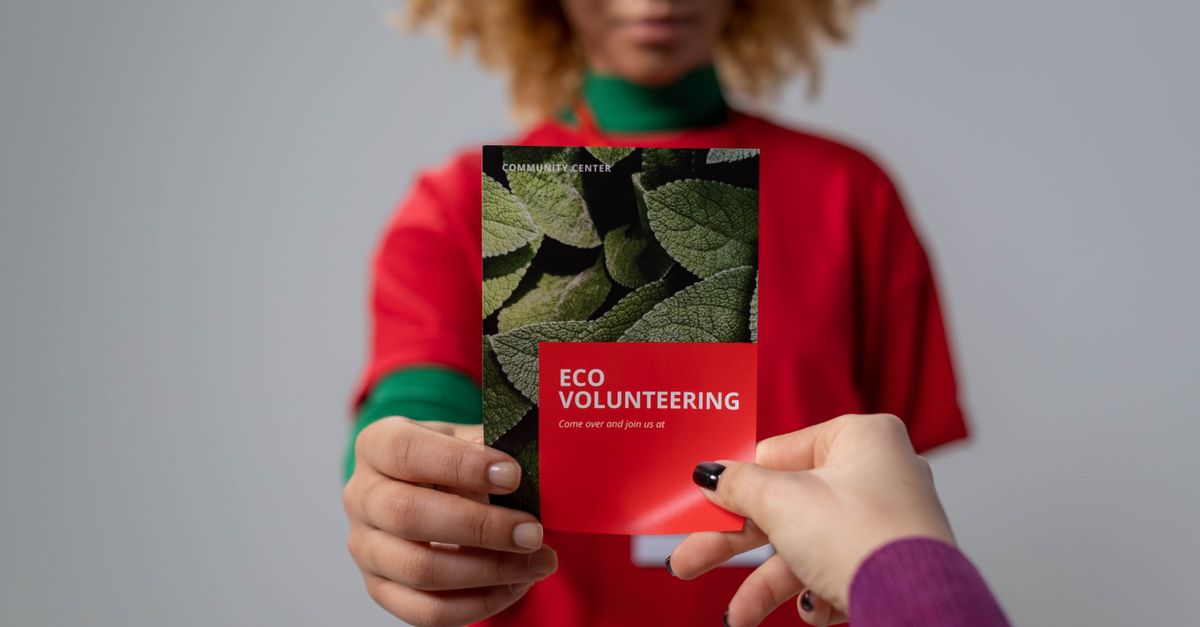
Flyers remain one of the most tactile and cost‑effective ways to communicate a message, especially when you’re looking to hit specific audiences without breaking the bank. Yet as digital media expands, many businesses wonder whether a highly customized flyer or a mass distribution strategy delivers better value. In this FAQ style guide I’ll walk through each approach, compare their strengths and costs, and show how you can blend them for real estate or other industries while keeping sustainability in mind.
Understanding Custom Flyer Campaigns
A custom flyer campaign is built around a single brand identity or event. Every element—from the color palette to the headline—reflects your business’s tone, and the distribution is typically targeted to a niche audience. The goal is deep resonance over wide spread.
Key Components of a Custom Flyer Campaign
- Brand‑Aligned Design: Typography, imagery, and layout that echo your logo and brand voice.
- Localized Content: Neighborhood names, local landmarks, or region‑specific offers.
- Call‑to‑Action Focused: A single, clear next step—call, website visit, or QR code scan.
- Print Quality Control: Paper weight, finish, and print method chosen for durability and visual impact.
- Distribution Plan: Targeted handouts at events, door‑to‑door drops, or partnerships with local businesses.
Custom flyers excel when you want to build trust with a specific demographic, such as homeowners in a particular zip code, or when launching a new product that requires brand storytelling. The downside is the higher per‑unit cost and limited reach if you rely solely on manual drops.
When designing a custom flyer, start by selecting a color scheme that mirrors your logo; this subtle consistency helps reinforce brand recall. For localized content, consider embedding street names or a small map that pinpoints the property or service area—this gives recipients an instant sense of relevance. A well‑placed QR code can bridge the tactile and digital worlds: it should lead to a landing page with additional details, a short video, or an online booking form, turning a single print piece into a multi‑channel touchpoint.
Broad Reach Campaigns Explained
A broad reach campaign casts a wider net, often combining print flyers with digital amplification. Think of distributing thousands of flyers across several neighborhoods or pairing them with social media ads that echo the same message. The emphasis is volume over precision.
Typical Methods in Broad Reach Flyer Campaigns
- Mass Mail Drops: Using postal services to deliver flyers en masse.
- High‑Traffic Drop Points: Placing flyers at grocery stores, malls, or transit hubs.
- Digital Replication: QR codes linking to landing pages that reinforce the flyer’s message.
- Cross‑Channel Partnerships: Collaborating with local influencers who share your flyer content online.
- Event Sponsorships: Providing flyers at community festivals or sports events where foot traffic is high.
The advantage of broad reach campaigns lies in their scalability and ability to create brand awareness quickly. However, they can dilute messaging if the audience isn’t aligned with your target profile, leading to lower conversion rates.
When planning a mass mail drop, calculate postage carefully: bulk rates often reduce the cost per unit by 30%–50% compared to standard mailing. High‑traffic drop points require permission from property owners or managers; many venues offer free flyer placement in exchange for a small sponsorship fee. Pairing these physical drops with a QR code that directs recipients to a short, mobile‑friendly landing page can boost engagement, as the digital experience allows you to update messaging instantly without reprinting.
Affordable Flyer Marketing Strategies
Both custom and broad reach approaches can be executed on a tight budget when you focus on cost drivers: design, printing, and distribution. Below are proven tactics that keep expenses low without sacrificing quality.
- Use Digital Design Tools: Create your own mockups with Canva or Adobe Express to avoid hiring a designer.
- Print in Bulk: Most printers offer significant discounts for orders over 1,000 units.
- Choose Standard Paper: A matte 80‑gsm stock balances cost and professional look.
- Leverage Community Boards: Post flyers on local bulletin boards where you pay nothing.
- Tap Into Existing Networks: Ask friends or local businesses to distribute your flyer as a favor.
In my experience, the biggest savings come from pairing print with QR codes that direct recipients to an online landing page. This reduces the need for multiple printed versions and lets you track engagement in real time.
Another practical tip is to use a local printing service instead of an online vendor when your order volume is moderate—this cuts shipping costs and often results in faster turnaround times. For example, a 500‑unit batch printed locally can cost roughly $0.25 per flyer, whereas the same quantity ordered from a large online printer may be $0.30 or higher after shipping.
Real Estate Flyer Distribution Tactics
Real estate agents often rely on flyers to announce listings, open houses, or market reports. The key is to reach homeowners and renters who are most likely to act on your offer.
- Neighborhood Targeting: Identify high‑volume areas using MLS data and drop flyers during peak traffic times.
- Door‑to‑Door Drops with Scripts: Equip staff or volunteers with a brief talking point when they hand out the flyer.
- Compliance Checks: Ensure you’re not violating local advertising ordinances—some cities restrict flyer placements.
- QR Code to Virtual Tour: Link directly to a 3‑D walkthrough of the property.
- Follow‑Up Tracking: Include a unique code or phone number so you can measure response rates.
By combining targeted drops with digital follow‑up, real estate professionals can turn a single flyer into multiple touchpoints that drive inquiries and showings.
A practical workflow might look like this: first, use an MLS heat map to pinpoint neighborhoods with the highest number of recent buyers. Next, design a flyer featuring high‑resolution photos, a concise headline (“Just Listed in Your Neighborhood”), and a QR code leading to a virtual tour. During door‑to‑door drops, volunteers can hand out the flyer while briefly mentioning the property’s unique selling points—this personal touch often boosts conversion rates by 15–20% compared to passive mail only.
Sustainable Flyer Solutions for the Future
Consumers are increasingly eco‑conscious, so choosing sustainable materials is not just good practice—it’s a selling point. Sustainable flyers reduce waste, lower carbon footprints, and appeal to modern audiences.
- Recycled Paper: Opt for 100% post‑consumer recycled stock with FSC certification.
- Soy Ink Printing: Eco‑friendly ink that dries quickly and reduces VOC emissions.
- Biodegradable Coatings: Use water‑based finishes that break down naturally.
- Digital Alternatives: Offer a QR code that leads to an interactive PDF, eliminating paper entirely.
- Partner with Green Printers: Many local print shops now offer carbon neutral options.
Key takeaway: Sustainable flyer solutions can cut long‑term costs by reducing waste and appealing to eco‑aware customers, while still delivering the tactile impact of a physical flyer.
Choosing the Right Approach for Your Business
The decision between custom and broad reach campaigns hinges on three main factors: audience specificity, budget constraints, and desired return metrics. Below is a simple matrix you can use to evaluate each option.
- Audience Specificity: Custom > Broad Reach
- Budget Flexibility: Broad Reach offers lower per‑unit cost but higher total spend; Custom requires upfront design investment.
- Conversion Expectation: Custom yields higher conversion rates in niche markets; Broad Reach builds awareness and leads.
Step‑by‑step guide:
- Define Goals: Are you looking for immediate sales, brand awareness, or market research?
- Map Audience: Identify zip codes, demographics, or buying behaviors.
- Select Format: Choose custom if targeting a small group; choose broad reach if you need volume.
- Allocate Budget: Set aside funds for design, printing, and distribution based on chosen format.
- Track Results: Use QR codes or unique landing pages to measure click‑throughs and conversions.
In my experience, a hybrid model often delivers the best ROI: start with a custom flyer in high‑value neighborhoods, then amplify through a broad reach strategy that includes digital follow‑up. This approach keeps costs manageable while maximizing exposure.
A concrete example of this hybrid strategy would be to print 1,200 custom flyers for three prime zip codes—each featuring a different local landmark—and distribute them door‑to‑door over a weekend. Simultaneously, run a mass mail drop of 5,000 generic flyers across the city, each containing a QR code that links to a citywide open house calendar. By comparing response rates from both segments, you can refine future campaigns and allocate budget more effectively.
What’s your biggest challenge when deciding between custom and broad reach flyer campaigns?
#Customflyercampaigns #Broadreachcampaigns #Affordableflyermarketing #Realestateflyerdistribution #Sustainableflyersolutions
Tags:
Custom flyer campaigns Broad reach campaigns Affordable flyer marketing Real estate flyer distribution Sustainable flyer solutions
Frequently Asked Questions
Browse answers to common questions about our services.
The target audience is the specific group most likely to respond to the flyer message, based on factors such as location, interests, household type, and buying intent.
Categories & Tags
What are flyers and how can these be distributed to help a campaign?
Flyers are printed promotional pieces that can support a campaign through direct local distribution methods such as door-to-door delivery, shared mailers, counter placement, and handouts.
Categories & Tags
Direct marketing offers stronger targeting, more relevant messaging, easier response tracking, and better local reach than mass marketing.
Categories & Tags
The four common audience types are demographic, geographic, psychographic, and behavioral, each helping businesses target more effectively.
Categories & Tags
Common flyer mistakes include clutter, weak messaging, poor readability, missing calls to action, and bad targeting.
Categories & Tags
A flyer should usually include a headline, focused offer, supporting visuals, clear contact details, and a strong call to action.
Categories & Tags
Flyer distribution legality depends on local rules, property permissions, mailbox restrictions, and the specific distribution method being used.
Categories & Tags
In flyer marketing, the 3 3 3 idea usually means simple messaging, fast understanding, and one clear next step.
Categories & Tags
More FAQs