What Are the Best Practices for Exclusive Event Marketing and Retail Customer Engagement?
Home /
Blog / What Are the Best Practices for Exclusive Event Marketing and Retail Customer Engagement?
Best Practices for Exclusive Event Marketing and Retail Customer Engagement
I’ve spent a decade turning simple marketing tactics into high‑impact results for retailers. The real challenge isn’t finding ideas—it’s executing them so they spark genuine engagement and lift sales. Below I’ll share the most effective ways to deploy flyers, run exclusive events, and measure what matters.
Today’s shoppers face endless digital noise, but a physical store still offers powerful moments that drive foot traffic and loyalty. By pairing well‑timed flyer placements with curated exclusive events, retailers can cut through the clutter and create deeper connections.
1. Understanding High‑Impact Marketing in Physical Stores
High‑impact marketing cuts noise with intentional touchpoints that feel personal. In a brick‑and‑mortar setting, the journey starts outside, continues inside, and ends long after shoppers leave. Every interaction—flyer, signage, invitation—must align with a clear objective.
When launching my apparel line I tested three flyer formats: plain print, AR QR code, and limited‑edition laminate. The AR version saw a 35% higher scan rate because the instant visual reward matched curiosity. That lesson shows impact is about relevance, not volume.
Key Elements of High‑Impact Marketing
Focus on:
- Relevance – Craft messages that speak to your core shoppers’ interests and pain points.
- Value proposition – Highlight a tangible benefit—discount, exclusive access, or limited product—to motivate action.
- Multi‑channel amplification – Reinforce the same message across email, social, and in‑store touchpoints to build familiarity and urgency.
- Timing aligned with shopper behavior – Use footfall data or seasonal calendars to launch when shoppers are most receptive.
- Simplicity of CTA – Offer a single, direct instruction—“Scan now,” “Reserve your seat,” or “Visit us today.”
These principles underpin any flyer or event strategy; without them even creative design will fall flat.
2. Strategic Flyer Deployment: Design, Timing, and Placement
Flyers remain a cost‑effective way to reach shoppers on the street, in malls, or at events. The key is placing them where the right people see them at the right moment.
In my experience, the difference between a flyer that gets tossed and one that drives traffic is often just 2–3 inches of placement near the entrance.
Design for Quick Consumption
Shoppers scan, not read. Use bold headlines, high‑contrast colors, and a single image that tells a story instantly. Keep text to one line plus a concise CTA—ideally three main points or offers create a memorable rhythm.
Timing Matters More Than Frequency
Distribute flyers during peak traffic: early mornings for commuters, lunch breaks for office workers, weekends for families. For exclusive events, send the flyer 2–4 weeks in advance to give customers time to plan.
Leverage foot‑traffic analytics—heat maps from store sensors—or local data like school holidays and weather forecasts to fine‑tune release windows. A well‑timed flyer captures a window of opportunity that digital channels alone might miss.
Placement Tactics That Work
- Near entrances and checkout counters – High visibility as shoppers enter or exit.
- Transit hubs (bus stops, subway stations) – Commuters pause to look at nearby signage.
- Partner venues with a matching audience (cafés, gyms) – Cross‑promote where your target already spends time.
- Local event bags or community newsletters – Embed flyers in curated gift packs or print publications for organic distribution.
- Digital kiosks mirroring the flyer – Provide an interactive touchpoint that reinforces consistency across analog and digital channels.
3. Leveraging Exclusive Events for Brand Loyalty
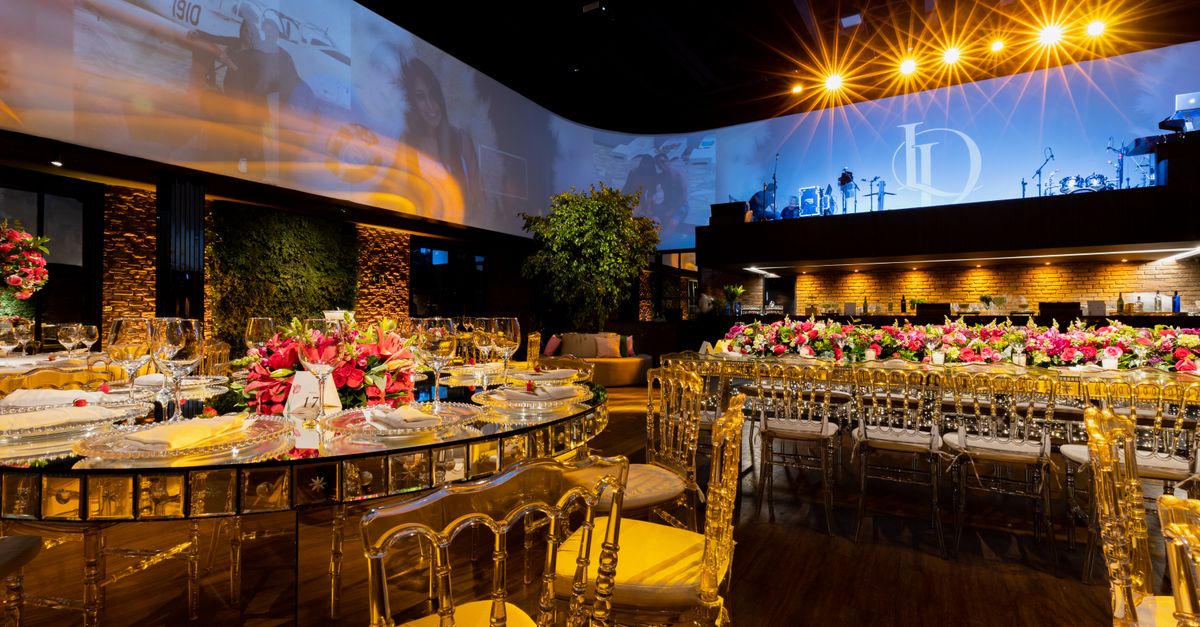
Exclusive events create belonging and urgency. Whether a pop‑up showroom, product launch party, or customer appreciation night, the event should feel personalized.
A VIP “First Look” event for a new sneaker line—complete with in‑person demo and limited‑edition merch—drove 150% more sales that week than the regular launch.
Building the Event Experience
Start with a clear goal: drive foot traffic, boost loyalty points, or test a new product. Then craft an experience aligned with your brand voice—high‑energy pop culture or sophisticated craftsmanship.
- Define the theme – Choose a narrative that resonates (e.g., “Urban Trailblazers” for streetwear).
- Select a venue – Flagship store, off‑site location with high footfall, or pop‑up in an unexpected space.
- Plan the flow – From welcome reception to product demo, interactive stations, and closing thank‑you.
- Create scarcity – Limited seats or exclusive merchandise available only at the event.
- Coordinate logistics – Staffing, inventory, security, and compliance with local regulations.
Invitation Strategy
Use segmented email lists to send exclusive invites. Add urgency by limiting seats and offering early‑bird perks such as free swag or a complimentary drink.
- Tiered invitations (VIP, regular) – Recognize high‑value customers with special treatment.
- Personalized subject lines referencing past purchases – Increase open rates (“Your next favorite sneaker awaits”).
- QR code on the invite for quick RSVP – Capture data instantly and reduce booking friction.
- Social media teaser posts with event hashtags – Build anticipation and allow attendees to share excitement.
After the event, follow up with thank‑you emails and a special offer to turn engagement into repeat business. A post‑event survey surfaces insights for future events.
4. Measuring ROI: Metrics That Matter
A strategy is only as good as its measurable outcomes. For flyer campaigns track redemption rates and foot traffic changes; for events monitor attendance, sales lift, and sentiment.
Key Performance Indicators (KPIs)
- Flyer pickup rate – Number of flyers collected per distribution point.
- Redemptions or QR scans linked to the flyer – Direct response from the physical asset.
- Sales volume during event window vs. baseline – Lift attributable to the event itself.
- Customer lifetime value (CLV) growth post‑event – Long‑term impact on loyalty and repeat purchases.
- NPS changes after engagement – Overall sentiment shift due to the experience.
Combine digital analytics with in‑store tracking—RFID tags on flyers, QR scanners integrated with POS—to capture data accurately. Real‑time reporting lets you adjust tactics mid‑campaign.
5. Common Pitfalls and How to Avoid Them
Even seasoned marketers slip when they overlook simple details. Below are frequent mistakes and quick fixes.
Pitfall: Over‑loading the Flyer
A cluttered flyer dilutes the message. Focus on one offer or event, use whitespace strategically, and create a hierarchy that leads from headline to CTA.
Pitfall: Ignoring Local Context
What works in a downtown mall may miss a suburban center. Tailor messaging and design to local demographics—use imagery of neighborhood landmarks or reference community events for relevance.
Pitfall: Neglecting Post‑Event Follow‑Up
Momentum dies quickly without follow‑up. Automate thank‑you emails with an exclusive coupon code or loyalty point bonus to convert interest into sales.
Pitfall: Not Testing Variations
Run A/B tests on flyer headlines and event themes to discover what resonates most. Test one variable at a time, measure the impact, then scale.
High‑impact marketing hinges on relevance, precise placement, and measurable outcomes—whether deploying a strategic flyer or hosting an exclusive event.
Apply these principles to turn simple touchpoints into powerful drivers of engagement and revenue. Audit your flyers and upcoming events against this framework: evaluate relevance, placement, timing, KPI tracking, and post‑event follow‑up. Identify the biggest gaps and start closing them today.
What specific metric do you track most closely after an exclusive event, and why?
#High-impactmarketing #Strategicmessageplacement #Retailcustomerengagement #Strategicflyerdeployment #Exclusiveeventmarketing
Tags:
High-impact marketing Strategic message placement Retail customer engagement Strategic flyer deployment Exclusive event marketing
Frequently Asked Questions
Browse answers to common questions about our services.
Yes, workers may be able to update progress through the app during active assignments. This helps keep campaign activity documented and visible during execution.
Categories & Tags
If the check-in process does not work, workers should try again, confirm connectivity, and report the issue if it continues so the shift record can be addressed.
Categories & Tags
Yes, campaign reporting may be available after flyer distribution is completed. Reporting can help document activity, confirm completion, and provide a clearer view of the campaign process.
Categories & Tags
If your schedule changes on the day of an assignment, you should flag the issue as quickly as possible so the campaign can be reviewed appropriately.
Categories & Tags
If a payment appears delayed, workers should review the assignment status and report the issue if necessary so it can be investigated.
Categories & Tags
Yes, reporting issues can help improve future campaign execution by identifying recurring problems and documenting field conditions.
Categories & Tags
If there is an error on your worker profile, you should correct it through the available profile tools or report it if manual help is needed.
Categories & Tags
When evaluating flyer campaign results, it can be useful to review reach, response rate, offer performance, timing, and how well the campaign matched the intended audience.
Categories & Tags
More FAQs