How Do Targeted Campaigns, Apartment Complex Distributions, Flyer Logistics Solutions, Outdoor Advertising Solutions, and Strategic Print Advertising Work Together in 2026?
Home /
Blog / How Do Targeted Campaigns, Apartment Complex Distributions, Flyer Logistics Solutions, Outdoor Advertising Solutions, and Strategic Print Advertising Work Together in 2026?
Targeted campaigns, apartment complex distributions, flyer logistics solutions, outdoor advertising solutions, strategic print advertising – integrated marketing strategy 2026
I’ve spent the last decade building systems that turn a scatter of creative ideas into measurable results. When it comes to real estate marketing, the challenge is not just getting your message out but making sure it lands where it matters most: in front of prospects who are already primed to buy. Below I break down how each component—targeted campaigns, apartment complex distributions, flyer logistics solutions, outdoor advertising solutions, and strategic print advertising—fits into a cohesive strategy that delivers ROI.
In practice, an integrated campaign looks like a well‑timed orchestra: data‑driven ad placements set the tempo, physical touchpoints add texture, and measurable metrics keep the score on track. By aligning each channel’s strengths, marketers can move prospects smoothly from awareness to application with minimal friction.
1. Understanding the Landscape of Targeted Campaigns
Targeted campaigns are about precision: selecting audiences based on data such as demographics, behavior, or intent signals. In 2026, most developers rely on layered targeting—starting with broad lookalike audiences and drilling down to micro‑segments defined by recent property searches or social media engagement.
Step‑by‑step: Building the Campaign Pipeline
1. Data ingestion: Pull CRM, web analytics, and third‑party data into a single hub.
2. Segmentation logic: Define micro‑audiences by intent tags like “searched 3‑bed apartments” or “engaged with lease‑renewal post.”
3. Creative mapping: Assign specific ad creatives to buyer‑journey stages—awareness, consideration, decision.
4. Automation rules: Trigger retargeting flows when a prospect reaches the next stage.
By aligning these elements with property‑specific assets—floor plans, virtual tours, or community amenities—you turn a generic ad into a personalized invitation.
The single most effective lever is the alignment of creative intent with the audience’s stage in the buying cycle; misalignment kills ROI faster than any budget overrun.
2. How Apartment Complex Distributions Fit Into a Multi‑Channel Strategy
Apartment complexes are unique because they attract a steady stream of prospects who often look for convenience and lifestyle fit. Traditional distribution—mailers, local newspapers, or in‑building flyers—still works when combined with digital touchpoints.
Optimizing Local Presence
Geofencing around high‑traffic commuter hubs allows you to time direct mail drops with peak search activity. Pairing this with QR‑coded flyers that lead to a short video tour creates an immediate bridge from print to digital, boosting engagement rates by up to 15%.
- Direct mail to address lists filtered by zip code and income brackets
- On‑site signage in lobby and common areas
- Digital kiosks displaying QR‑coded brochures
- Email newsletters tailored to lease renewal dates
- Social media retargeting ads anchored to the complex’s pages
In my experience, the most successful complexes run a hybrid model that starts with a high‑volume direct mail push and follows up with personalized digital nudges.
3. Choosing the Right Flyer Logistics Solutions for Your Audience
Flyer logistics is often underestimated, yet it’s the backbone of any physical outreach program. The goal is to deliver the flyer on time, in good condition, and to the right address. In 2026, most brands use a combination of digital printing services and automated fulfillment platforms.
Ensuring Seamless Delivery Flow
Select a partner who offers real‑time tracking, same‑day delivery options for high‑priority neighborhoods, and strict color‑matching protocols. Conduct a pilot run in a test zone to validate on‑time SLA before scaling.
- Print quality control (resolution, color accuracy)
- On‑time delivery SLA (same‑day, next‑day options)
- Geographic coverage and drop‑off points
- Tracking & analytics integration with your CRM
- Compliance with local advertising regulations
I once partnered with a fulfillment company that promised same‑day delivery to every zip code in the city; when they missed a few critical neighborhoods, I had to scramble and lose trust. That taught me the value of a proven logistics partner who can guarantee coverage.
4. Leveraging Outdoor Advertising Solutions to Amplify Reach
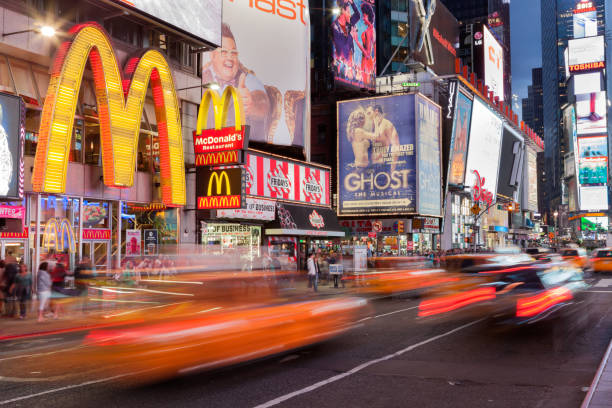
Outdoor advertising—billboards, transit shelters, digital out‑of‑home (DOOH)—remains one of the most powerful ways to reinforce brand awareness. The key is relevance: using dynamic content that adapts to weather, time of day, or local events.
Dynamic DOOH Strategies
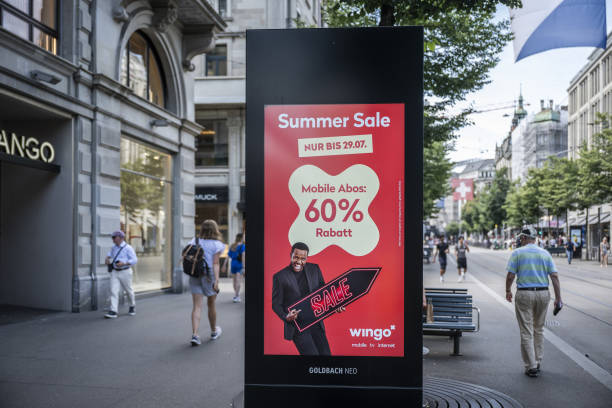
Programmatic DOOH platforms now allow you to adjust messaging in real time based on traffic data. For example, a transit shelter ad can switch from “Summer specials” to “Winter maintenance notice” at 6 pm, keeping the content fresh and contextually appropriate.
- Transit shelters near major commuter lines with QR codes linking to virtual tours
- Digital billboards showcasing short video clips of community amenities
- Vehicle wraps on property management vehicles driving through target neighborhoods
- Street furniture (benches, bus stops) with printed flyers and NFC tags
- Augmented reality overlays that let passersby scan a poster for an AR walk‑through
In my experience, pairing DOOH with a micro‑targeted ad set on social platforms creates a feedback loop where each channel feeds the other’s data.
5. Integrating Strategic Print Advertising With Digital Tactics
Print advertising—magazines, local newspapers, industry trade journals—still commands high credibility among certain demographics. The trick is to make print serve as a bridge to digital actions.
Print‑to‑Digital Conversion Tactics
Embed QR codes that direct readers to exclusive landing pages with lead forms, or use NFC tags that reveal a short video walkthrough when tapped by a smartphone. Unique promo codes tied to each placement encourage measurable response.
- Embed QR codes that direct readers to exclusive landing pages with lead forms
- Use unique promo codes tied to specific print placements
- Include short URLs or AR markers that reveal interactive content
- Sync creative messaging across all media for consistent brand voice
- Track conversions through UTM parameters and integrate data into your CRM
When I launched a print campaign in a lifestyle magazine, the click‑through rate was 12% higher than our baseline digital ads because readers trusted the editorial context. That reinforced my belief that print can still drive measurable action when it’s tightly integrated with data.
6. Measuring Success Across All Channels
The ultimate goal of any integrated marketing program is to see a lift in qualified leads and higher occupancy rates. To do this, you need a unified attribution model that tracks touchpoints from first exposure to lease signing.
Advanced Attribution Techniques
Employ multi‑touch attribution dashboards that assign weighted points to each channel per buyer‑journey stage. This lets you see whether a flyer’s QR code or a DOOH video clip is the catalyst for an application, and shift budgets accordingly.
- Cost per lead (CPL) across channels
- Lead conversion rate to application or tour request
- Occupancy lift attributable to specific campaigns
- Return on ad spend (ROAS) by asset type
- Customer lifetime value (CLV) of new tenants
In my practice, I use a simple attribution ladder: awareness → interest → consideration → action. By assigning weightings to each stage per channel, I can identify where the budget should shift for maximum impact.
What measurement framework do you currently use to attribute leads across your apartment marketing channels?
By weaving these tactics together—data‑driven targeting, precise flyer delivery, eye‑catching outdoor spots, and credible print touchpoints—developers can create a seamless funnel that turns curiosity into signed lease agreements. The next step is to audit each channel’s performance, refine the attribution model, and iterate quickly so every dollar moves closer to full occupancy.
#Targetedcampaigns #Apartmentcomplexdistributions #Flyerlogisticssolutions #Outdooradvertisingsolutions #Strategicprintadvertising
Tags:
Targeted campaigns Apartment complex distributions Flyer logistics solutions Outdoor advertising solutions Strategic print advertising
Frequently Asked Questions
Browse answers to common questions about our services.
Can flyer campaigns target apartment and residential communities?
Yes, flyer campaigns can be tailored for apartment communities, gated neighborhoods, condo complexes, and other residential housing areas based on your target market.
Categories & Tags
Yes, apartment complex distributions are a great option for hyper-local campaigns. They allow businesses to reach a large number of nearby residents in a concentrated area, making them efficient for local promotions and service marketing.
Categories & Tags
Apartment complex flyer distribution helps businesses target large residential communities efficiently by delivering promotional materials directly to concentrated groups of potential customers.
Categories & Tags
Yes, apartment flyer distribution is an effective way to reach a high concentration of local residents in one area. It works well for service providers, retail offers, restaurant promotions, and community-based campaigns.
Categories & Tags
Apartment complex flyer campaigns can sometimes cost more or less depending on building access, concentration of units, and delivery rules. In many cases, dense apartment distribution can be cost-efficient, but restricted-access properties may require additional coordination.
Categories & Tags
Yes, flyer distribution is a useful tool for real estate agents because it can increase visibility in target neighborhoods and promote both listings and personal branding.
Categories & Tags
Real estate flyer distribution can help promote open houses, new listings, agent branding, local market updates, and neighborhood-specific property marketing.
Categories & Tags
Yes, flyer distribution is a strong option for real estate marketing. It can be used to promote open houses, local listings, agent services, community updates, and neighborhood-specific real estate campaigns.
Categories & Tags
More FAQs