What Makes Strategic Print Advertising Effective for Business Promotions?
Home /
Blog / What Makes Strategic Print Advertising Effective for Business Promotions?
What Makes Strategic Print Advertising Effective for Business Promotions?
The question on every retailer’s mind is how to reach more customers without blowing the budget. Print advertising—especially flyers—remains a surprisingly powerful tool when used strategically. In this guide I’ll walk you through why flyers still matter, how to design them for maximum impact, and how they fit into broader campaigns that drive real retail engagement.
1. Understanding the Role of Flyers in Broad Reach Campaigns
Print media offers a tactile experience that digital ads can’t match. A flyer placed on a community bulletin board, handed out at an event, or slipped into a local newspaper creates a physical touchpoint with potential buyers. It’s not about replacing online channels; it’s about complementing them.
Broad reach campaigns aim to spread brand awareness across many touchpoints. Flyers help bridge the gap between digital impressions and in‑store visits by delivering a concrete call‑to‑action (CTA) that customers can act on immediately—like a coupon or an invitation to a launch event.
Key Features That Make Flyers Work for Broad Reach
- High Visibility: Bold colors and clear headlines attract attention in busy environments.
- Localized Relevance: Target specific neighborhoods or demographic groups with tailored messaging.
- Scalability: Print runs can be adjusted from a few hundred to thousands without redesigning the layout.
- Cost‑Effective Distribution: Door‑to‑door drops, in‑store handouts, and event giveaways are inexpensive compared to media buys.
- Trackable Metrics: QR codes or unique coupon codes let you measure direct response rates.
When integrated into a broader strategy—online ads, email blasts, social posts—the flyer becomes a reinforcement point that keeps your brand top of mind. For seasonal promotions, for instance, distributing flyers in the weeks leading up to a holiday can create anticipation and drive early traffic.
2. Key Elements of Successful Flyer Design Services
Design is the first gatekeeper for conversion. A poorly arranged flyer can turn potential interest into dismissal. Below are the critical design components I focus on when partnering with designers or using in‑house talent.
Core Design Checklist
- Headline Hierarchy: Use a clear, benefit‑driven headline that appears within the first few inches of eye movement.
- Visual Storytelling: Incorporate high‑resolution images or illustrations that reflect your product’s lifestyle appeal. Ensure the visual supports the message rather than distracts from it.
- Color Psychology: Match brand colors while selecting contrasts that guide the reader to the CTA. Light backgrounds with dark text improve readability on the go.
- Whitespace Management: Avoid clutter; give each element breathing room so the message doesn’t feel rushed.
- Typography Consistency: Stick to two or three typefaces, ensuring readability at small sizes and legibility across print finishes.
- Call‑to‑Action Placement: Position the CTA near the bottom right where natural reading flow directs attention. Use a button‑like shape or bold border to make it stand out.
When you invest in professional flyer design services, consider a process that includes A/B testing of layouts and copy. Even minor tweaks—like changing “Free Sample” to “Limited Time Offer”—can lift response rates by 15% or more. Test one version with the headline “Get $10 Off Your First Purchase” against another using “Exclusive Deal Inside.” Track which version generates higher QR scans or coupon redemptions.
3. Integrating Flyers into Business Promotions Strategies
A flyer is only as effective as the strategy that surrounds it. Below is a step‑by‑step framework I use for aligning flyers with broader business promotions.
Strategic Integration Steps
- Define Objectives: Are you driving traffic, generating leads, or announcing a new product? Each goal requires different messaging and CTA placement.
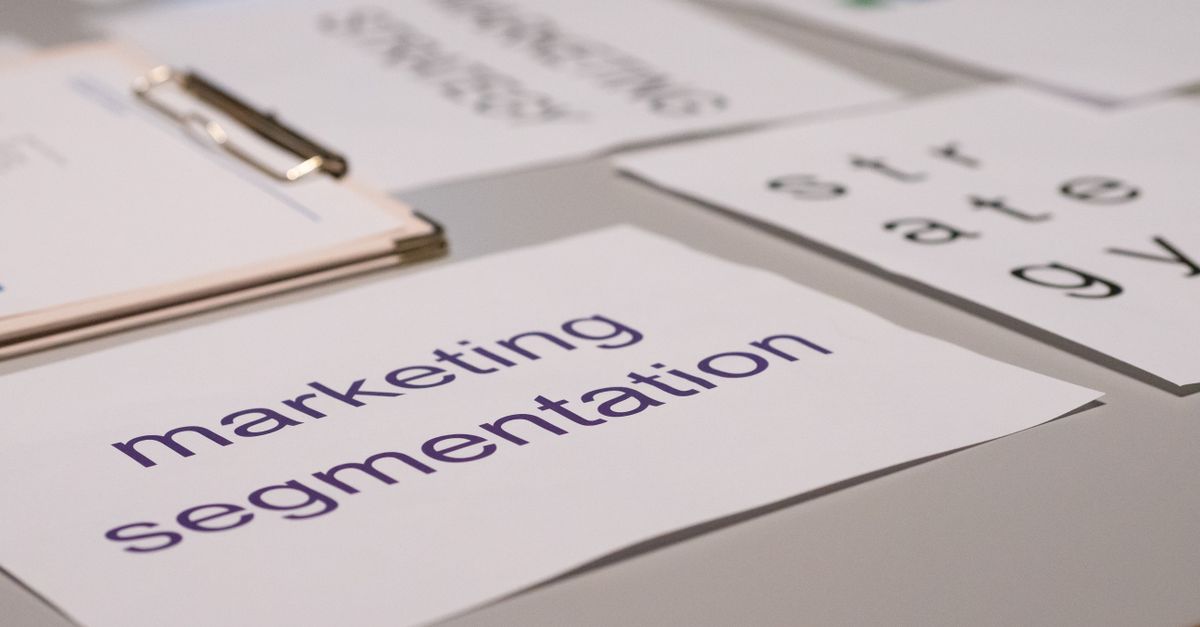
- Segment Audiences: Use customer data to create demographic‑specific flyers (e.g., “Back‑to‑School Deals for Parents”). Personalization can increase perceived relevance by up to 30%.
- Coordinate Timing: Release the flyer in sync with digital push—like a social media countdown—to maximize awareness. Schedule print drops during peak local footfall, such as weekends or after school hours.
- Leverage QR Codes: Embed short URLs that lead to landing pages where you can capture emails or offer instant discounts. Ensure the URL is mobile‑friendly and loads quickly.
- Track Redemption: Use coupon codes tied to specific print batches to monitor ROI. Assign a unique code for each distribution channel (door drops vs event handouts) to see which performs best.
By weaving flyers into the fabric of your promotion, you create a multi‑channel experience that feels cohesive rather than fragmented. This synergy boosts overall campaign performance and customer retention. For example, pairing a flyer with an Instagram story announcing the same offer encourages cross‑platform engagement.
4. Measuring Retail Customer Engagement Through Print Ads
Engagement metrics for print media differ from digital clicks but are no less valuable. The key is to establish clear, measurable goals before printing.
Metrics You Should Track
- Redemption Rate: Number of coupons used divided by the number printed.
- Foot‑Traffic Lift: Compare in‑store visits during the flyer distribution period to a baseline from the previous month.
- Lead Capture: Count email addresses or phone numbers collected via QR codes or landing pages.
- Return on Investment (ROI): Calculate revenue generated per dollar spent on printing and distribution.
- Customer Feedback: Use short surveys or comment cards to gauge perception of the flyer’s usefulness and design quality.
- Cost‑Per‑Conversion: Divide total campaign spend by the number of conversions (sales, signups, etc.).
In my experience, tracking a 10% lift in foot traffic during a localized flyer campaign gave us a clear signal that our design and distribution plan resonated with shoppers.
5. Cost vs ROI: Flyer Production and Distribution
Many retailers fear print costs outweigh benefits. The reality is that when executed efficiently, flyers can deliver a high return on modest spend.
Cost Breakdown Overview
- Design Fees: $300–$800 depending on complexity and revisions.
- Printing Costs: Roughly $0.10–$0.25 per flyer for 8‑by‑11 inches, bulk discounts apply. For a 3,000‑flyer run at $0.15 each, printing totals $450.
- Distribution: Door‑to‑door drops cost about $0.05 per unit; handouts at events may be free with sponsorship or partnership agreements.
- Marketing Integration: Allocate 5–10% of your overall campaign budget to support digital tie‑ins (QR codes, social posts).
A typical small business might spend $1,500 on a 3,000‑flyer run. If the flyer generates just 200 conversions at $50 each, you’ve earned $10,000—an ROI of over 600%. Even with higher production costs or lower conversion rates, the margin often remains substantial because print is inherently low‑cost per unit.
6. Common Mistakes to Avoid in Print Advertising
The pitfalls that can sabotage a flyer campaign are often simple yet critical:
- Overloading Content: Too much text distracts from the main offer. Keep copy concise and focus on one key benefit.
- Ignoring Brand Consistency: Mismatched colors or fonts dilute brand identity. Use a brand style guide to maintain cohesion across all materials.
- Failing to Test Variants: Launching one design without A/B testing can miss higher‑performing layouts. Test at least two versions if budget allows.
- Neglecting Print Quality: Low resolution images or poor paper stock reduce perceived value. Use a professional printer and choose matte finishes for a premium look.
- Unclear Call‑to‑Action: If customers don’t know what to do next, conversion stalls. The CTA should be unmistakable—“Scan Now” or “Show This Coupon at Checkout.”
By checking these against your flyer before printing, you save both time and money.
7. Digital Integration: QR Codes, Social Media, and Beyond
The future of print is hybrid. Adding digital elements turns a static flyer into an interactive experience.
Hybrid Features to Consider
- QR Codes: Link directly to exclusive offers or product pages. Ensure the code is large enough for quick scanning and placed near the CTA.
- Social Media Handles: Encourage sharing by including hashtags and links. Use a unique hashtag for each campaign to track organic buzz.
- AR Filters: Use augmented reality to let customers preview products in real life—ideal for furniture or cosmetics promotions.
- Embedded UTM Parameters: Track traffic from the flyer through your analytics platform, allowing you to see which distribution channels drive clicks.
- Dynamic Content: Print variable data like names or addresses for personalization. For example, “Hey Jane, enjoy 15% off your next purchase.”
When you combine a well‑designed flyer with digital follow‑up, you create a seamless funnel that moves customers from awareness to action.
Key takeaway: A strategic print advertising campaign—anchored by high‑quality flyers—can drive broad reach and measurable retail engagement when integrated thoughtfully with digital channels and clear performance metrics.
By treating flyers as part of a cohesive promotion, you unlock an affordable yet powerful vehicle for reaching new customers and reinforcing brand loyalty. The next step? Map your objectives, design a test flyer, launch a small print run, and measure the impact. If you’re ready to elevate your retail promotions with print, let’s talk strategy.
What specific metrics do you track when launching a new flyer campaign for your store?
#Broadreachcampaigns #Businesspromotions #Retailcustomerengagement #Flyerdesignservices #Strategicprintadvertising
Tags:
Broad reach campaigns Business promotions Retail customer engagement Flyer design services Strategic print advertising
Frequently Asked Questions
Browse answers to common questions about our services.
Yes, coupon flyers are effective for restaurants, retail stores, salons, gyms, and service businesses because they combine local visibility with a clear incentive for response.
Categories & Tags
Coupon flyer distribution places promotional offers directly into the hands of local consumers and can help drive immediate action, store visits, redemptions, and trial purchases.
Categories & Tags
Is flyer marketing effective for restaurant coupons and specials?
Yes, restaurant flyer marketing is effective for coupon campaigns because it places promotional offers directly into nearby homes, apartments, and local foot-traffic areas.
Categories & Tags
Can retail stores use coupon flyers and seasonal campaigns?
Retail stores can use coupon and seasonal flyer campaigns to attract local shoppers, increase store traffic, promote clearance sales, and highlight new or featured products.
Categories & Tags
Yes, coupon distribution is one of the most popular uses for flyers. Printed offers delivered to homes or handed out in targeted areas can help increase store visits, trial purchases, and customer response.
Categories & Tags
Can restaurants use seasonal flyer campaigns and coupons?
Yes, restaurants can use seasonal flyer distribution to promote holiday specials, catering services, event menus, meal deals, coupons, and limited-time dining offers.
Categories & Tags
Can seasonal and coupon flyer campaigns help generate repeat customers?
Flyer campaigns can support repeat business by keeping your brand visible in the local market and giving past or potential customers new reasons to return through offers, reminders, and timely promotions.
Categories & Tags
Can flyers help promote discounts and special offers?
Yes, flyer marketing is effective for promotional discounts because it combines local targeting with a visible call to action that can drive responses from nearby customers.
Categories & Tags
More FAQs