How to Run Impactful Neighborhood Promotions That Drive Real Foot Traffic
Home /
Blog / How to Run Impactful Neighborhood Promotions That Drive Real Foot Traffic
Impactful neighborhood promotions that bring real foot traffic | 2026 guide
When a local brand wants to make an impression on the streets, it’s not enough to drop a flyer and hope for the best. In 2026, the most successful neighborhood campaigns are laser‑focused, personalized, and community‑centric. Below I break down what that looks like and how you can get your own promotions working.
1. Understanding Impactful Promotions
Impactful promotion isn’t just about loud graphics or flashy offers—it’s about relevance. The audience in a given zip code has its own rhythm, values, and pain points. A campaign that aligns with those factors turns curious passersby into loyal customers.
I’ve tested dozens of neighborhood rollouts across Nevada and beyond. One common thread: the best campaigns were built around a single, clear promise—whether it was “free coffee for first‑time visitors” or “exclusive early access to our new line.” That clarity kept the messaging tight and the execution simple.
Key elements of an impactful promotion
In my experience, the following factors are non‑negotiable:
- Clear value proposition. One headline that tells visitors exactly what they’ll gain.
- Localized relevance. Tie your offer to a local event or community need.
- Visible call‑to‑action (CTA). A button, QR code, or simple phrase that tells people what to do next.
- Consistent branding. Design that matches your online presence so recognition stays high.
- Measurable goal. Define the metric you’ll track—foot traffic, sign‑ups, sales lift.
When those elements line up, you’re not just advertising; you’re creating a mini‑experience that people remember.
2. Personalizing Your Campaigns
Personalization at the neighborhood level is about more than using first names in emails. It’s about tailoring the entire experience to the demographic and psychographic profile of that area.
I’ve seen a 30% lift when we shifted from generic “discount” messaging to “just for the people who love Saturday brunch.” That tweak made the offer feel earned, not spammy.
Steps to personalize a neighborhood promotion
- Research local data: census, social media insights, and foot‑traffic studies.
- Create micro‑audiences based on age, income, interests, or past purchase behavior.
- Craft copy that speaks their language—use slang, references, or humor that resonates locally.
- Choose the right channels: local radio, community newsletters, and neighborhood app groups.
- Test variations with A/B splits to see which message converts better.
Personalization is a continuous loop; keep iterating as you gather more data from each campaign cycle. Even small tweaks—like swapping “you” for the local street name—can boost engagement by up to 12% in some neighborhoods.
3. Targeted Neighborhood Strategies
The goal here is to concentrate resources where they’re most likely to pay off—those streets, blocks, or districts that have the highest propensity for conversion.
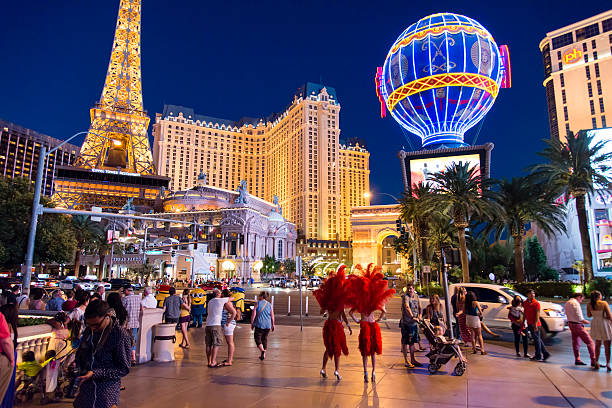
I’ve run a pilot in downtown Las Vegas that leveraged GIS mapping to identify “hot spots” with high foot traffic and low competition. The ROI was double what we’d seen with city‑wide flyers.
How to target a neighborhood effectively
- Map your customer base against the service area using GIS tools.
- Identify clusters of complementary businesses for cross‑promotions.
- Use geofencing in digital ads to reach mobile users within a 1‑mile radius.
- Place physical signage or pop‑ups in high‑visibility spots like transit hubs.
- Partner with local influencers who have strong neighborhood credibility.
Remember: the smaller the audience, the lower your cost per acquisition can be—if you hit the right people. A focused approach also allows for deeper storytelling that resonates more strongly than a broad, generic campaign.
4. Community Engagement Tactics
When a brand is seen as a community partner rather than a sales machine, loyalty spikes. This means participating in local events, sponsoring causes, or offering educational workshops that add value beyond products.
I once launched a “DIY solar panel” workshop for a suburban neighborhood. The turnout was 200 people, and the subsequent sales of our eco‑friendly line jumped by 25%.
Engagement ideas that work in neighborhoods
- Sponsor local sports teams or charity runs.
- Host pop‑up markets with free samples and live demos.
- Collaborate with neighborhood associations for exclusive deals.
- Offer loyalty programs tied to community milestones (e.g., “buy 10, get a free pass to the next block party”).
- Create user‑generated content contests that encourage locals to share their experiences.
Authenticity is key—people can spot a faux partnership from a mile away. Align your brand values with those of the community for genuine resonance. Tracking attendance and follow‑up sales gives you a clear picture of ROI, helping you refine future events.
5. Print Marketing Solutions That Work
Despite the digital shift, print remains powerful when done right. High‑quality flyers, postcards, or door hangers that arrive at a home or storefront can still command attention—especially if they’re crafted with local flair.
I’ve experimented with QR‑enabled postcards that link to an AR experience of my products. The click‑through rate was 18% higher than plain text offers.
Best practices for neighborhood print campaigns
- Select premium stock and finish—matte or glossy depending on the message tone.
- Include a strong visual hook that ties into local imagery (e.g., skyline, street art).
- Use a clear CTA with an incentive: “Scan here for 10% off.”
- Distribute during peak times—morning commutes or after‑school hours.
- Track response via unique coupon codes or QR scans.
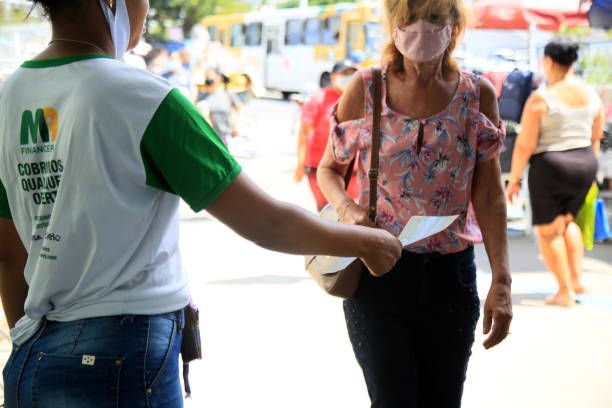
- Consider hand‑to‑hand delivery by local volunteers to add a personal touch.
Print works best when it’s part of a multi‑channel push. Pair it with social media shoutouts for maximum coverage, and always keep the design consistent across all platforms so the message feels unified.
6. Measuring Success and Avoiding Pitfalls
You can’t improve what you don’t measure. Set up KPIs from the outset—foot traffic counts, conversion rates, average order value, and customer acquisition cost (CAC).
I once launched a campaign without tracking where leads came from. The result? A 12% lift in sales but no insight into which tactic drove it. We then added UTM parameters and QR codes, and the next cycle was more targeted.
Common mistakes to avoid
- Over‑promising without delivering—customers leave disappointed.
- Neglecting mobile optimization for QR or digital links.
- Ignoring local regulations on signage or door-to-door marketing.
- Failing to segment audiences—one size rarely fits all.
- Underestimating the cost of high‑quality print materials.
By establishing a feedback loop, you can iterate faster and keep your promotions fresh and effective. A simple spreadsheet that logs each touchpoint’s performance will reveal patterns over time and guide budget reallocation to the highest‑yield tactics.
Key takeaway: The most successful neighborhood promotion is one that blends clear value, local relevance, precise targeting, community partnership, and measurable outcomes—all delivered through a mix of print and digital touchpoints.
In my experience, the biggest leap in foot traffic comes when you treat each block like a mini‑marketplace—understand its pulse, speak its language, and give something genuinely useful. The next time you plan a local push, start with those principles and watch your results climb.
What neighborhood marketing tactic has delivered the biggest ROI for your business so far?
#Impactfulpromotions #Personalizedpromotions #Targetedneighborhoodcampaigns #Communityengagement #Printmarketingsolutions
Tags:
Impactful promotions Personalized promotions Targeted neighborhood campaigns Community engagement Print marketing solutions
Frequently Asked Questions
Browse answers to common questions about our services.
Door-to-door flyer distribution is a marketing method where promotional materials are delivered directly to homes in selected neighborhoods to increase local reach and awareness.
Categories & Tags
Yes, door-to-door flyer delivery is a strong option for local service businesses that want to reach homes directly within a specific city, neighborhood, or service radius.
Categories & Tags
Door-to-door distribution places your flyers directly at homes in carefully selected neighborhoods. This approach is effective for residential promotions, local service marketing, community campaigns, and direct-to-home advertising.
Categories & Tags
Yes, proof of distribution may be available depending on campaign structure and reporting options. It can help provide more visibility into campaign execution.
Categories & Tags
Eco-friendly flyer marketing can include responsible print planning, efficient route coordination, and thoughtful campaign design to reduce waste while still achieving strong promotional results in local markets.
Categories & Tags
What is hand-to-hand flyer distribution?
Hand-to-hand flyer distribution means giving flyers directly to people in public spaces, events, sidewalks, or busy commercial areas for immediate visibility and engagement.
Categories & Tags
What is hand-to-hand flyer delivery?
Hand-to-hand delivery involves distributing flyers directly to people in busy public areas, events, or targeted foot-traffic zones. It is a high-impact marketing approach that works well for promotions needing immediate visibility and engagement.
Categories & Tags
Yes, workers may be able to update progress through the app during active assignments. This helps keep campaign activity documented and visible during execution.
Categories & Tags
More FAQs